Researching Solar Geoengineering: A Phased Approach

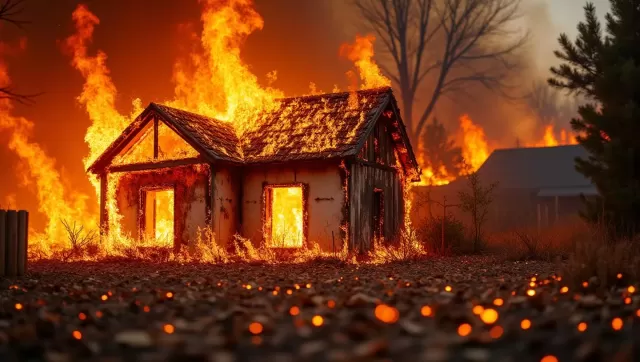
The window to avert the most severe consequences of climate change is closing rapidly. Recent data confirms the planet has surpassed a critical threshold, with global temperatures now consistently exceeding pre-industrial averages by more than 1.5°C. Despite urgent calls to action, carbon emissions continue to climb, and the nascent technology of permanent carbon removal currently operates at a scale far below what is necessary. While slashing emissions and scaling removal remain imperative, the scale of the crisis demands we examine all potential tools to reduce near-term suffering and ecological collapse.
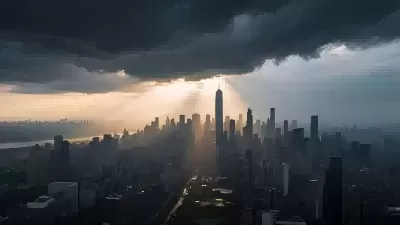
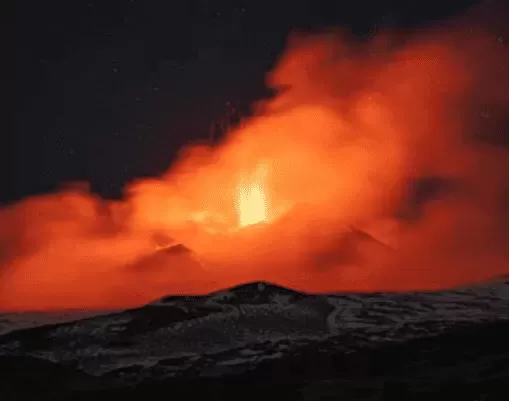
One concept gaining renewed attention is the deliberate enhancement of the Earth's natural reflectivity. The principle is straightforward: slightly increase the fraction of sunlight reflected back into space to moderate global temperatures. This is not a novel theory; it mirrors a natural process observed after large volcanic eruptions. The 1991 eruption of Mount Pinatubo, for instance, injected millions of tonnes of sulfur dioxide into the upper atmosphere, temporarily cooling the planet by about half a degree Celsius. This event provided a real-world case study for a proposed method known as stratospheric aerosol injection (SAI).
Understanding the Potential and the Peril
It is crucial to state that sunlight reflection is not a solution to the root cause of climate change. It cannot replace the essential work of ending fossil fuel dependence and restoring ecological balance. Deploying such a method without concurrent deep emissions cuts would create a precarious dependency, where any sudden termination could trigger dangerously rapid warming. Furthermore, poorly governed or unilateral actions could disrupt regional weather patterns, including monsoons, with potentially catastrophic consequences for food and water security.
These profound risks, however, are precisely why transparent, international scientific research is needed. The objective is not to advocate for deployment, but to rigorously investigate whether any responsible, governed application could ever be possible. Prohibiting research does not eliminate risk; it merely ensures we remain ignorant, potentially leaving the world vulnerable to future unilateral actions or desperate decisions made without adequate evidence.
A Framework for Responsible Research
How can society explore such a consequential idea without inviting recklessness? A proven model exists in the phased clinical trials used to evaluate new medicines. Adopting a similar, stage-gated framework for research into sunlight reflection could build knowledge safely and incrementally.
Currently, the field is in a "pre-clinical" phase, reliant on computer models and laboratory studies. While invaluable, these tools require validation against real-world atmospheric observations to build confidence in their predictions.
A phased research approach could unfold as follows:
- Phase One: A small-scale, controlled outdoor experiment involving the release of a minimal amount of material—comparable to the emissions of a commercial airliner in a single flight—into the stratosphere. The goal would not be to alter climate, but to observe fundamental processes. How do aerosols form and evolve? This would provide critical data to test and refine existing models.
- Phase Two: A slightly larger experiment, still thousands of times smaller than a minor volcanic eruption, designed to study how particles disperse and interact with stratospheric winds. The observational capabilities developed for this phase would also serve a vital governance function: enabling the global community to detect any unauthorized, large-scale deployment.
- Phase Three: Only after extensive international scientific review and robust governance frameworks are established, a potential future stage could explore a very gradual, carefully monitored, and fully reversible climatic effect. This would be the antithesis of a rogue deployment, conducted under strict oversight and constant evaluation.
Building Knowledge Before a Crisis
The world may ultimately decide that the risks of sunlight reflection outweigh any benefits. But the only way to make a future decision that is responsible, informed, and in the global public interest is to generate that knowledge transparently before a climate emergency forces our hand. This requires developing the necessary tools, rules, and oversight mechanisms now.
Small-scale, open research is not a slippery slope. It is a safeguard. It reduces both scientific uncertainty and political risk by replacing speculation with evidence. The true danger lies in refusing to ask difficult questions, leaving humanity unprepared at the very moment clear understanding is needed most.