Ocean Reefs: A Solution to Global Hunger
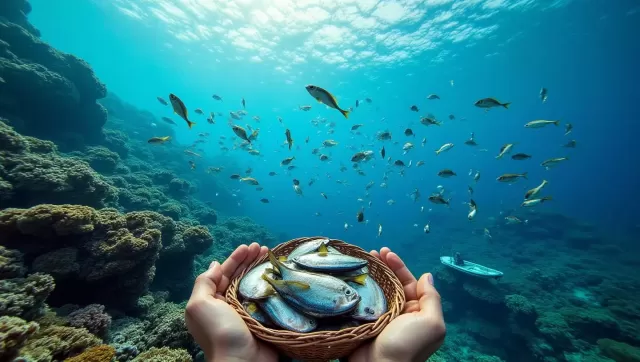
A new study reveals a powerful yet underutilized strategy in the fight against global hunger: the restoration of our planet's coral reefs. With over 8 billion people worldwide and persistent food insecurity, scientists are turning to the ocean for scalable solutions. Research led by the Smithsonian Tropical Research Institute in Panama indicates that reviving overfished coral reef ecosystems could dramatically boost sustainable seafood production, offering a vital food source for millions.
The Untapped Potential of Reef Fisheries
Current analysis shows that fish populations on many of the world's coral reefs are severely depleted, operating far below their natural capacity. This overfishing represents a significant lost opportunity for food provision. By implementing management strategies that allow these stocks to rebuild, we could unlock a major increase in sustainable, nutrient-rich protein.
"Our work puts a number on what we're losing due to overfished reefs and, conversely, what we could gain through recovery and sustainable management," notes the lead author of the study published in PNAS. The findings suggest that healthier reef fish communities could supply substantially more seafood without compromising the long-term health of the ecosystem.
A Projected 50% Increase in Sustainable Catch
The research projects that global coral reefs could enhance sustainable fish yields by close to 50% if fish populations are given a chance to recover. This growth could provide individual countries with anywhere from thousands to over 160 million additional sustainable fish servings annually. This volume is sufficient to meet the recommended weekly seafood intake—eight ounces per person—for millions of individuals.
Nations currently grappling with acute hunger and nutritional shortfalls would see the most substantial benefits. Regions across Africa and Southeast Asia, with Indonesia highlighted as having the greatest potential, stand to gain the most from revitalized reef fisheries.
Linking Nutrition Needs with Ocean Recovery
A compelling connection emerged from the data: countries with higher scores on global hunger indices are precisely those that would experience the largest increase in fish servings from reef recovery. This alignment means that strategic investment in marine stewardship could channel nutritional benefits directly to communities in most urgent need.
"The potential boost in fish servings correlates positively with national hunger metrics. Essentially, the places suffering most from malnutrition have the most to gain from healthy reef fish stocks," explained a co-author of the study.
Modeling the Path to Recovery
To develop these projections, scientists examined data from coral reef regions across the globe, including areas in the Dominican Republic, Kenya, the Philippines, Indonesia, and others. Using statistical models, the team:
- Estimated current fish biomass on these reefs.
- Projected potential growth under effective management.
- Calculated the stock sizes needed to achieve maximum sustainable yields.
- Estimated recovery timelines under varying management scenarios.
Depending on the level of depletion and the strictness of fishing regulations, the models suggest recovery could take, on average, between six and fifty years.
From Ecosystem Health to Human Health
This research underscores a critical shift in perspective: restoring coral reef fisheries is not solely a conservation goal but a direct investment in global food security and public health. Achieving these gains requires committed fisheries management focused on rebuilding stocks rather than depleting them.
Successful recovery in many regions will also depend on:
- Supporting alternative livelihoods for coastal communities during rebuilding phases.
- Fostering international cooperation and support.
- Developing integrated strategies that protect marine biodiversity while sustaining human communities.
These results confirm that effective reef monitoring and management delivers measurable benefits that extend far beyond environmental conservation. It has profound implications for securing food and improving health outcomes. The path forward involves uniting ecological recovery with human well-being, ensuring both our oceans and our communities can thrive.