Europe's Glow-worms: A Fading Flicker of Decline
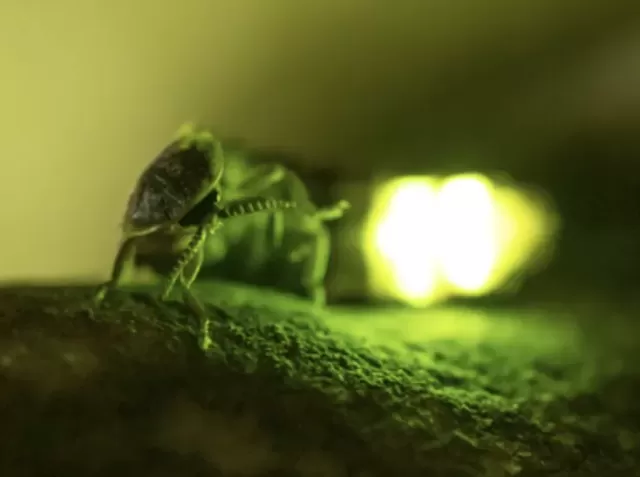
Beneath the twilight skies of a Somerset village, a delicate spectacle once illuminated country paths. Now, the gentle green luminescence that signals the presence of glow-worms, particularly the common glow-worm (Lampyris noctiluca), is becoming a rarer sight. For decades, dedicated volunteers have meticulously tracked these bioluminescent beetles, once a common feature of summer evenings, and their findings paint a concerning picture of decline across the UK and Europe.
A Once Common Sight, Now a Growing Rarity
For nearly twenty years, individuals like Peter Bright, a retired science teacher, have participated in the UK glow-worm survey. These surveys, conducted in areas like Westbury-sub-Mendip, historically recorded hundreds of these fascinating insects. For instance, the survey in Westbury-sub-Mendip has often seen counts between 100 and 150 individuals, with a notable peak of 248 in 2017.
However, recent years have seen a dramatic drop. The combination of a wet summer last year and the current dry spell has led to barely 50 glow-worms being found in some traditional spots. By late summer, the remaining individuals often represent a dwindling population, with many adult males having already perished, leaving the females to make a final, often solitary, effort to find a mate.
The Global Glow-worm Crisis: A Troubling Trend
The plight of the UK's glow-worms is not an isolated incident. Across Europe, the situation is equally concerning. Of the approximately 2,200 species of bioluminescent beetles worldwide, with 65 found in Europe, a significant number are under threat. According to the International Union for Conservation of Nature (IUCN), five European species are facing extinction, two are listed as endangered, and even the common glow-worm is classified as "near threatened."
Entomologists like Tim Gardiner have witnessed this decline firsthand. His own eighteen-year study in Essex revealed an annual decrease of around 3.5% in the numbers of L. noctiluca. Similar worrying trends have been observed in France, Germany, and Spain, though accurately surveying these secretive insects, which inhabit dense foliage, remains a significant challenge. "There is so much that we don't know about fireflies," admits Ana Catalán, who researches firefly genomics, highlighting the gaps in our understanding.
Unpacking the Threats: What's Driving the Decline?
The vulnerability of glow-worms is a symptom of a much larger crisis affecting insect populations globally. A comprehensive 2019 review indicated that over 40% of insect species are in decline, with scientists warning that the reality may be even more severe. Ecologist Alan Stewart emphasizes the urgency: "We need more data... We haven't really got the luxury of waiting another 50 years to find out."
For glow-worms, several key threats have been identified:
- Climate Change and Prey Availability: Hotter summers directly impact the slugs and snails, the primary food source for glow-worm larvae. As these invertebrate populations suffer, so too do the glow-worms.
- Habitat Loss and Fragmentation: This is a critical factor. Female glow-worms, unable to fly, are intrinsically linked to their hatching sites. Habitat fragmentation, where large areas are broken into smaller, isolated patches, can effectively extinguish entire populations. Even seemingly minor changes, such as the creation of a new ditch, can sever crucial connections and devastate local numbers.
- Light Pollution: The artificial lights of human civilization pose a significant threat to the mating rituals of glow-worms. Males can become disoriented and lured away from the soft green glow of females, disrupting their reproductive success. "Street lights are a real hazard to them," states naturalist John Tyler, who has dedicated decades to studying these insects.
These issues are not confined to the UK. Studies in Italy have linked increased agricultural activity in certain regions with declining glow-worm populations. Similarly, in Spain, the abandonment of small orchards and the subsequent lack of irrigation make it harder for their preferred prey, snails, to thrive. In both countries, an increase in street lighting appears to correlate directly with fewer glow-worms.
Innovative Solutions: From Personal Gardens to Captive Breeding
Recognizing the severity of the situation, individuals and organizations are taking action to protect and revive glow-worm populations.
1. Creating Havens:
Fabio Falchi, an Italian physics professor and light-pollution expert, took personal initiative by reducing light pollution in his own garden. Implementing measures like motion sensors for outdoor lighting and allowing the garden to grow wild, he has witnessed a remarkable resurgence. "Every May, our lawn comes alive with their tiny flickers. It's beautiful to watch them move," he shares, highlighting the transformative power of creating natural, unpolluted spaces.
2. Captive Breeding and Reintroduction Programs:
Pete Cooper, an ecologist and species-reintroduction specialist in Bristol, has been breeding glow-worms in captivity since 2020. His goal is to re-establish healthy populations in areas where they have disappeared. These efforts, in partnership with organizations like Restore and the Wildwood Trust, aim to reintroduce insects to nature reserves such as Nosterfield in North Yorkshire.
However, these reintroduction programs are complex and require patience. Glow-worms have a two-year life cycle, meaning success can only be determined over extended periods. Cooper cautions, "That's the thing with glow-worm reintroduction – it's not as simple as you'd think." There are ongoing debates within the glow-worm enthusiast community about the efficacy and potential downsides of reintroduction, with some worrying it could divert attention from preserving existing populations or inadvertently encourage development in vital countryside habitats.
"Before you reintroduce something, you really need to know why it disappeared in the first place," stresses Alan Stewart. "Otherwise, they're not going to survive."
3. Rewilding and Habitat Management:
Rewilding initiatives, particularly in riverside areas, can offer significant benefits. Tim Gardiner suggests that well-managed habitats and the restoration of ecological corridors, such as hedgerows and meadows that have been lost over decades, are crucial. In the Italian village of Binasco, near Milan, a local environmental association successfully revitalized a plot of land in the early 1990s, leading to a noticeable increase in firefly numbers.
Ruggero Rognoni, a member of the association, emphasizes the importance of community engagement: "We realised that to protect and preserve this place, we had to make people love it." By organizing night walks for children and their families, they fostered a connection with nature that has been instrumental in protecting the area.
The Enduring Magic of the Glow-worm
Despite the challenges, the allure of the glow-worm remains potent. Night walks, like the one described in Westbury-sub-Mendip, where locals gather to witness the dwindling lights, continue to draw people. The quiet wonder of spotting a female glow-worm, its delicate green light spreading across a hand, can be a deeply moving experience. Many, like Amanda Bennett, discover their first glow-worm with profound awe, a testament to the captivating nature of these creatures.
John Tyler recalls seeing an astonishing number of glow-worms as a child, likening it to "looking down on a village... All these dots of light." This evocative memory underscores how drastically their presence has diminished.
For some, like amateur naturalist John Horne, there is a flicker of optimism. He highlights the glow-worm's reproductive strategy: "The average glow-worm female lays 100 to 150 eggs – it's a numbers' game. You might have a brilliant year, and then it might suddenly crash." This resilience, coupled with their ability to capture the public's imagination, can make them a vital "gateway drug" for connecting people with the natural world. As Pete Cooper aptly puts it, "If it has to start with something that glows out of its bottom, then so be it."
The fading flickers of glow-worms serve as a stark reminder of the broader insect decline. Their story is a call to action, urging us to understand, protect, and restore the habitats that these enchanting creatures, and countless others, depend on for survival. The time for observation is nearing its end; the time for decisive action is now.
Key Threats to Glow-worms:
| Threat Category | Specific Impacts |
|---|---|
| Environmental | Hotter summers, drought, impact on prey (slugs, snails). |
| Habitat | Loss, fragmentation, alteration (e.g., ditches), agricultural intensification. |
| Pollution | Light pollution (disrupts mating), pesticides (indirectly). |
| Climate Change | Exacerbates extreme weather events impacting habitat and prey. |
Conservation Strategies:
- Habitat Restoration: Rewilding, planting native species, maintaining hedgerows and meadows.
- Light Pollution Reduction: Shielding lights, using motion sensors, reducing overall illumination.
- Community Engagement: Educational walks, local involvement in monitoring and conservation.
- Captive Breeding & Reintroduction: Carefully managed programs to bolster declining populations.
- Research & Data Collection: Continued monitoring and scientific study to understand needs and threats.