Balanophora: Green-Free Plants Challenge Definition
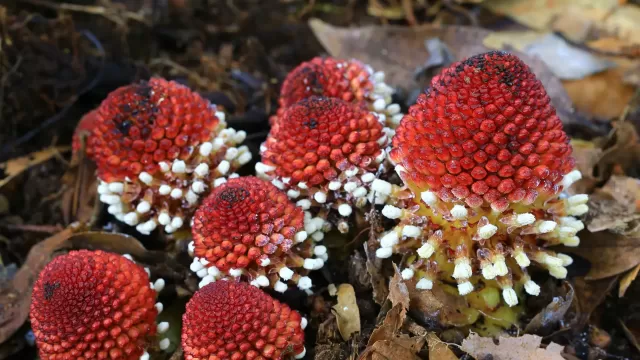
In the world of botany, some organisms challenge our most basic definitions of what it means to be a plant. A recent investigation spearheaded by Kobe University delves into the genus Balanophora, a group of species that have abandoned both photosynthesis and, in some cases, sexual reproduction. These unusual plants offer a unique window into the extremes of adaptation and survival.
The research was driven by botanist Kenji Suetsugu, whose work focuses on rethinking the fundamental nature of plant life by studying species that have evolved beyond the need for sunlight. Balanophora are obligate parasites, meaning they derive all their nutrients by latching onto the roots of host plants. They spend the majority of their existence hidden underground, only emerging briefly to flower. The study sought to bridge the gap between separate lines of inquiry—genomics, ecology, and reproduction—to create a holistic picture of how these organisms function.
A Unified Look at a Botanical Enigma
To achieve a comprehensive understanding, the project integrated three distinct fields of study for the first time in Balanophora research. The team aimed to map out the evolutionary relationships between different species, analyze the profound changes to their cellular machinery for energy production, and understand how their unique reproductive methods are tied to their environment.
Conducting this research presented significant logistical hurdles. Balanophora are notoriously difficult to find, preferring remote, steep, and humid forests where they grow in scattered patches. The success of the project hinged on years of fieldwork experience and strong collaborations with local naturalists and specialists in highly compact genomes from the Okinawa Institute of Science and Technology.
The Remnants of a Photosynthetic Past
A key discovery from the study, detailed in the journal New Phytologist, concerns the plant's plastids. In typical green plants, plastids are the cellular powerhouses responsible for photosynthesis. The investigation revealed that every Balanophora species examined possesses a drastically reduced plastid genome, the DNA housed within the plastid itself. This profound genetic shrinkage is believed to have occurred in a single common ancestor before the group diversified.
While this might suggest the plastid is becoming obsolete, a closer look revealed a different story. The researchers found that the plant's cells still actively transport numerous proteins to the plastid. This indicates that even without its primary function of photosynthesis, the plastid remains an indispensable hub for the plant's metabolic processes, essential for its survival as a parasite.
Evolving Beyond Pollinators and Partners
The study also shed light on the plants' reproductive flexibility. The team's analysis suggests that asexual reproduction, or the ability to produce seeds without fertilization, evolved independently on multiple occasions throughout the Balanophora lineage. This capacity likely provided a critical advantage, enabling the plants to colonize the island chain stretching from mainland Japan to Taiwan.
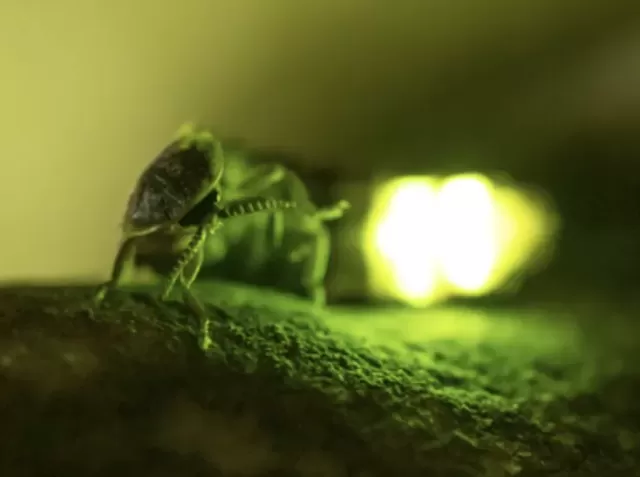
This method of self-sufficient reproduction ensures the continuation of the species even when pollinators, such as the unexpectedly crucial camel crickets and cockroaches, or potential mates are scarce. For some species within the genus, this has evolved from a backup plan into their primary mode of creating offspring.
This work marks a significant milestone in understanding how such highly specialized parasitic organisms continue to thrive. For Suetsugu, seeing the genomic data confirm years of field observations is a powerful synthesis of two different worlds of science. The next phase of research will aim to connect these genetic findings with biochemical analysis to determine exactly what these re-purposed plastids produce and how those products fuel the plant's life within the roots of its host.