Consumer Boycotts: Do They Actually Work?
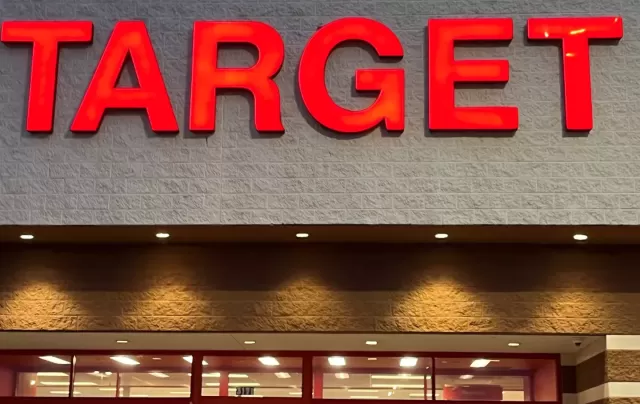
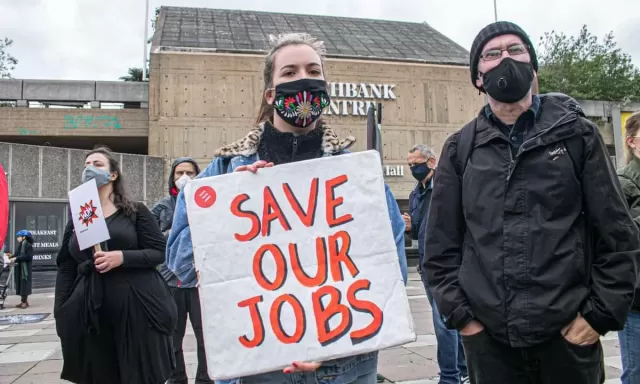
A recent survey reveals a significant trend: nearly one-third of consumers have participated in boycotts this year, driven by concerns ranging from corporate diversity policies to perceived greed. This raises a crucial question: do these boycotts actually work?
The survey, conducted by Lending Tree, polled over 2,000 people and found that 31% have actively boycotted a business. Interestingly, 23% stated they've consciously supported a company specifically because it was targeted by a boycott. This highlights the polarizing nature of these actions and the potential for backfire.
On one hand, conservative activists have demonstrated success in using boycotts to influence corporate decisions, particularly regarding diversity, equity, and inclusion (DEI) initiatives. Campaigns often employing slogans have impacted major retailers, sometimes resulting in sales declines and policy revisions.
However, these successes have spurred counter-boycotts from DEI supporters, leaving companies caught in the crossfire. Target, for instance, has faced calls for boycotts from both sides, with some suggesting that its decision to scale back certain diversity programs contributed to a recent dip in consumer spending.
Several businesses have found themselves in the boycott spotlight. Target has been the target of multiple organized actions, including those led by activists Nekima Levy Armstrong and Pastor Jamal-Harrison Bryant. Bryant's group is even advocating for a permanent boycott of the retailer.
Dollar General has also faced criticism, with allegations of abandoning DEI efforts and neglecting investment in the Black community. While Dollar General disputes these claims, the company's response suggests a growing sensitivity to such accusations.
The People's Union USA has organized economic blackouts targeting major retailers like Target, Walmart, Amazon, and McDonalds. They're even advocating for a boycott of Fourth of July festivities, encouraging people to instead support local businesses.
Other companies, including Home Depot and Starbucks, are facing boycott threats for alleged actions related to DEI and unionization efforts, respectively. These examples illustrate the breadth of issues driving consumer activism.
The Lending Tree survey identified key reasons behind boycotts, including discrimination (43%), political affiliations (41%), and religious practices (29%). A significant 45% of consumers research a company's values before making purchases, with Gen Z leading the way at 59%.
The survey also revealed a surprising statistic: higher-income individuals are more likely to participate in boycotts. Matt Schulz, chief consumer finance analyst with Lending Tree, notes that 43% of six-figure earners have boycotted a business, suggesting they understand their consumer power.
While boycott organizers are encouraged by these findings, some believe the impact is even greater than reported. Pastor Bryant suggests that the true numbers may be higher, as certain communities are often underrepresented in polls.
Evidence suggests boycotts can impact a company's bottom line. Target's stock price has declined since the start of the year, and the company has acknowledged that boycotts contributed to a recent drop in sales. Foot traffic at Target stores has also decreased, according to Placer.ai data.
However, the long-term effectiveness of boycotts is debatable. The survey found that 48% of boycotters eventually return to the businesses they boycotted, with that number rising to 70% among parents of young children.
Interestingly, women are less likely to return to a business they've boycotted compared to men, suggesting that once they commit to a boycott, it's more likely to be permanent.
Ultimately, the effectiveness of consumer boycotts depends on a variety of factors, including the intensity of the boycott, the company's response, and the willingness of consumers to maintain their stance over time. While boycotts can certainly raise awareness and exert pressure on businesses, their long-term impact remains complex and multifaceted.