Fentanyl & Stimulant Overdoses Surge Among Older Adults
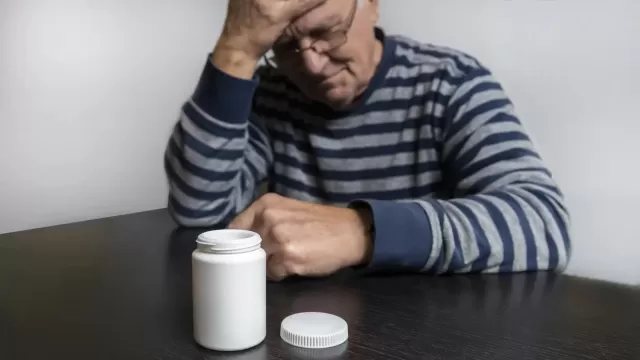
A concerning trend is emerging: Fatal overdoses linked to fentanyl combined with stimulants like cocaine and methamphetamine have skyrocketed by an astonishing 9,000% within the past eight years among individuals aged 65 and above. Research presented at the ANESTHESIOLOGY® 2025 meeting reveals that this rate is now comparable to that observed in younger adult populations.
This groundbreaking study leverages data from the Centers for Disease Control and Prevention (CDC) to highlight a previously overlooked aspect of the opioid crisis. Older adults, frequently excluded from overdose analyses, are increasingly victims of fentanyl-stimulant combinations. Their advanced age often brings with it heightened vulnerability due to chronic illnesses, multiple medications, and slower drug metabolism.
Experts have characterized the opioid crisis as evolving through four successive stages, each marked by a different drug driving overdose deaths. These stages involve initial prescription opioid usage during the 1990s, heroin abuse around 2010, fentanyl abuse at 2013, and finally a combination of fentanyl and stimulants emerging in 2015.
According to Gab Pasia, lead investigator of the study and a medical student at the University of Nevada, Reno School of Medicine, "It's a common misconception that opioid overdoses are primarily a young person's issue. Our data indicates that older adults are equally susceptible to fentanyl-related fatalities, and that stimulants are playing an increasingly significant role in these tragedies. This points to the fact that older adults are now part of the fourth wave of the opioid epidemic, following patterns also seen within younger populations."
The research team scrutinized 404,964 death certificates, dating from 1999 to 2023, identifying fentanyl as a contributing factor. Data was sourced from the CDC's Wide-ranging Online Data for Epidemiologic Research (WONDER) system. Of these deaths, 17,040 were related to adults age 65+, and 387,924 were related to adults aged 25 to 64.
Between 2015 and 2023, the number of fentanyl-related fatalities increased from 264 to 4,144 amongst senior citizens (a 1,470% jump). This number also increased for younger adults, increasing from 8,513 to 64,694 (a 660% jump). Fentanyl deaths alongside stimulants grew from 8.7% (23 of 264) in 2015 to 49.9% (2,070 of 4,144) in 2023 amongst older adults. This is approximately a 9,000% rise. Comparatively, fentanyl-stimulant deaths rose from 21.3% (1,812 of 8,513) to 59.3% (38,333 of 64,694) over the same period amongst younger adults, resulting in a 2,115% increase.
Researchers chose to specifically look at the years 2015 and 2023 for their analysis as 2015 marked the beginning of the fourth wave, when fentanyl-stimulant deaths amongst older adults were at their lowest. 2023 was chosen as it was the most recent year that had CDC data readily available.
The research showed that the rise in fentanyl deaths that also involved stimulants amongst older adults began to increase exponentially in 2020. Deaths related to other substances remained the same or decreased during this period. Cocaine and methamphetamines were the most common stimulants seen in combination with fentanyl. These substances surpassed alcohol, heroin, and benzodiazepines such as Xanax and Valium.
"Our national-level findings point to a rise in the use of fentanyl and stimulants across the adult population," Pasia states. "Due to the study's design, we were limited to observing trends over time, rather than determining the reasons behind them. Nonetheless, it is crucial to recognize that overdoses in older adults involving fentanyl are often multi-substance events, and not just fentanyl related. It is important to get the message of drug misuse prevention strategies to these older patients."
The researchers encourage anesthesiologists and other pain management professionals to:
- Recognize that the use of multiple substances can occur in all age groups, not just the young.
- Exercise caution when prescribing opioid medications to older individuals, carefully evaluate the patient's medical history, monitor them for potential side effects if they have a history of stimulant use, and consider alternative non-opioid approaches where appropriate.
- Employ harm-reduction measures by actively involving caregivers in overdose education, simplifying medication schedules, utilizing clear labels with easy-to-understand directions (especially important for those with memory or vision impairments), ensuring safe medication storage, and making sure instructions are easy to understand for those with memory or vision challenges.
- Screen older patients for exposure to a wide variety of substances, not just prescription opioids, to better anticipate potential complications and tailor perioperative plans.
Richard Wang, M.D., an anesthesiology resident at Rush University Medical Center, Chicago, and co-author of the study, emphasizes, "Older adults prescribed opioids, or their caregivers, should proactively engage their healthcare providers in conversations about overdose prevention. This includes obtaining naloxone and learning the warning signs of an overdose. Given the alarming trends we've identified, it is increasingly critical to minimize opioid use in this vulnerable population, and explore alternative pain control strategies whenever appropriate. Improved patient education and consistent medication list reviews could play a vital role in reversing this distressing course."